
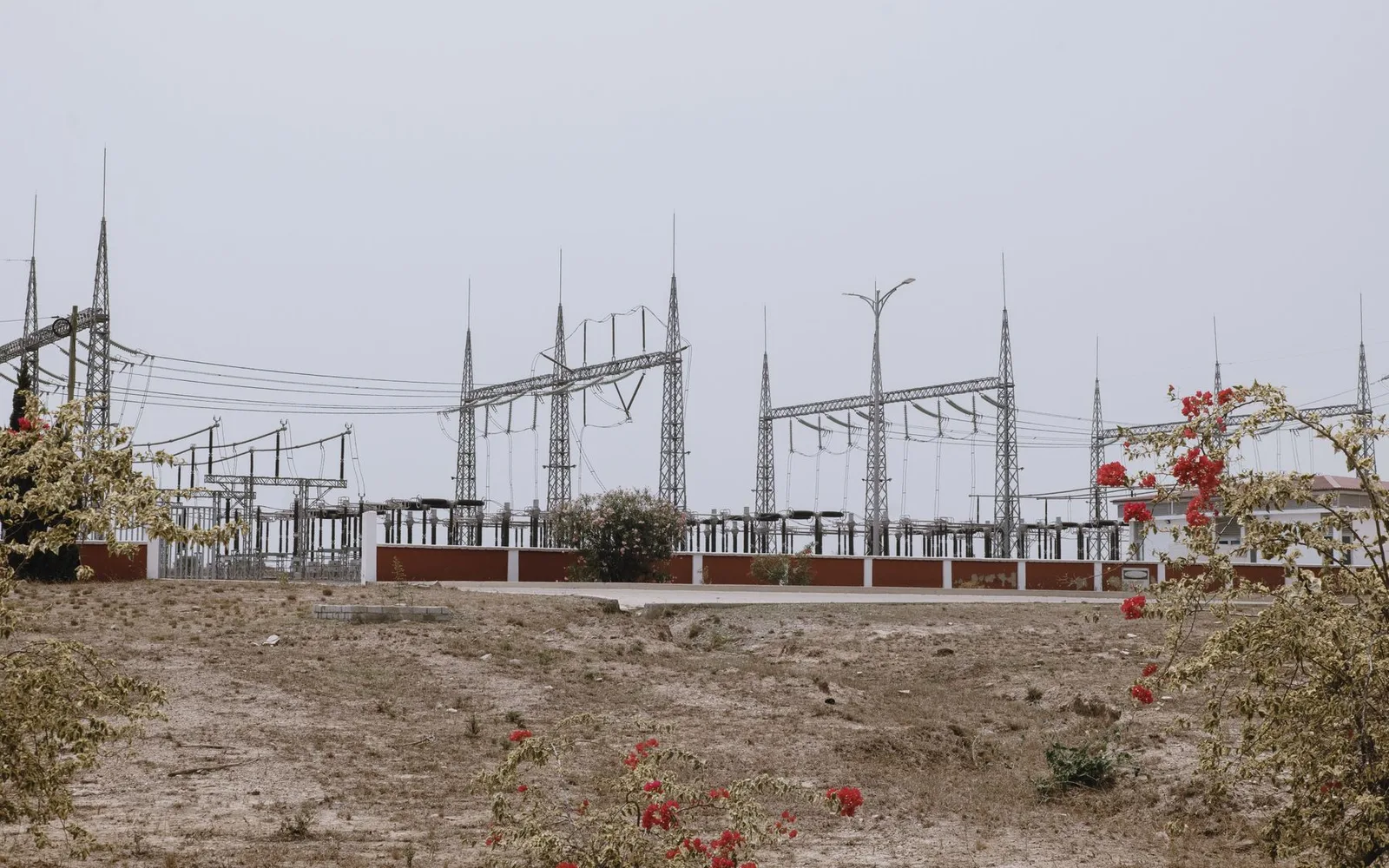
Ghana’s Energy Commission projects that thermal generation will supply about 73% of electricity in its 2026 base case, compared with 25.8% from hydro and 1.2% from renewable sources. The same outlook estimates 185.93 TBtu of natural-gas demand for power generation during the year. These are national planning figures, not a forecast of what one facility will pay. But they do show why fuel availability, generation mix, and grid conditions remain material inputs to facility energy strategy.
Convert the national signal into a facility baseline
A facility cannot control the national generation mix. It can control how clearly it understands its own demand. Start with twelve months of electricity bills, monthly maximum demand where available, generator run-hours, fuel purchases, operating schedules, and the major equipment that shapes the load. Separate grid electricity from backup generation rather than treating both as one energy cost.
That baseline answers a more useful question than whether tariffs may rise or fall: which part of the facility’s exposure can management actually change? A high daytime base load may support solar screening. A short demand spike may point to sequencing or controls. Rising generator hours may indicate reliability exposure, maintenance risk, or a power-quality problem that an electricity bill alone will not show.
Treat resilience and efficiency as one decision
In a thermal-led system, fuel supply and fuel cost can affect the wider power chain. On site, inefficient equipment also increases the size and run cost of backup generation. Reducing avoidable load can therefore create two benefits: lower normal electricity use and a smaller burden on generators, UPS systems, batteries, and critical distribution.
Review critical and non-critical loads separately. Confirm which systems must operate during an interruption, how long they must operate, and whether the current generator routinely runs at a healthy load. Record transfer failures, low-load operation, fuel-quality issues, and cooling or ventilation constraints. These operating details often reveal practical resilience actions before a major capital project is required.
Test investments against more than one future
Do not approve an energy measure using one tariff, one fuel price, or one operating schedule. Test a base case, a higher-cost case, and a constrained-supply case. Include maintenance, replacement timing, demand charges, generator fuel, and implementation risk. A project that remains useful across several cases is usually more defensible than one whose savings depend on a single optimistic assumption.
For solar, storage, controls, cooling upgrades, or major electrical work, verify the actual load profile and the commercial arrangement. Ghana’s rules distinguish equipment or asset financing from unlicensed third-party electricity sales in regulated distribution zones. Obtain current regulatory and legal advice before signing an energy-sale arrangement.
Build a monthly operating habit
The most useful response to a changing power system is not a one-time report. It is a short monthly review of consumption, peak demand, blended grid cost, generator hours, fuel use, outages, and unresolved equipment risks. Assign an owner for each measure and record whether the result came from weather, occupancy, production, maintenance, or a permanent improvement.
The national outlook is a planning signal. The facility baseline turns that signal into an operating decision. Organizations that can explain their load, backup-power exposure, and critical systems are better positioned to choose the right sequence of no-cost actions, maintenance work, and capital investment.
Source: Ghana Energy Commission — Energy Outlook for Ghana 2026 ↗