
Ghana's Renewable Energy Master Plan is not a newly issued policy document. It was formally presented in 2019. What is new is the prominence it now receives in the Ministry of Energy and Green Transition's public direction, together with the 2026–2029 Sector Medium-Term Development Plan and the Minister's August 2026 call for institutions to align programmes and investments with the national clean-energy agenda. That combination makes the plan immediately relevant to decisions being made across the economy.
The master plan should not be read only as a target for solar developers or power-sector institutions. Its practical effect is broader: more renewable generation changes grid planning, facility investment, operating procedures, procurement standards, maintenance capability, financing requirements, and the evidence organizations will need to justify projects.
Source key points
- Government continues to state a target of at least 10% renewable-energy penetration in the electricity generation mix by 2030.
- The 2026–2029 sector plan retains the goal of expanding non-large-hydro renewable capacity from a 2015 baseline of 42.5 MW to approximately 1,363 MW by 2030.
- The plan calls for better renewable-resource assessment and mapping, stronger public understanding, additional regulatory support for private investment, and renewable mini-grid or off-grid service for 1,000 communities.
- It also identifies standards for renewable-energy products, certification of technicians and engineers, stronger local participation, and adequate operating and maintenance funding for public renewable installations.
- Current implementation priorities highlighted by government include solar generation, battery energy storage, grid resilience, and stronger collaboration among energy-sector institutions.
Ministry of Energy and Green Transition
Ghana Renewable Energy Master Plan
Ministry Sector Medium-Term Development Plan 2026–2029
Government clean-energy alignment update, 10 August 2026
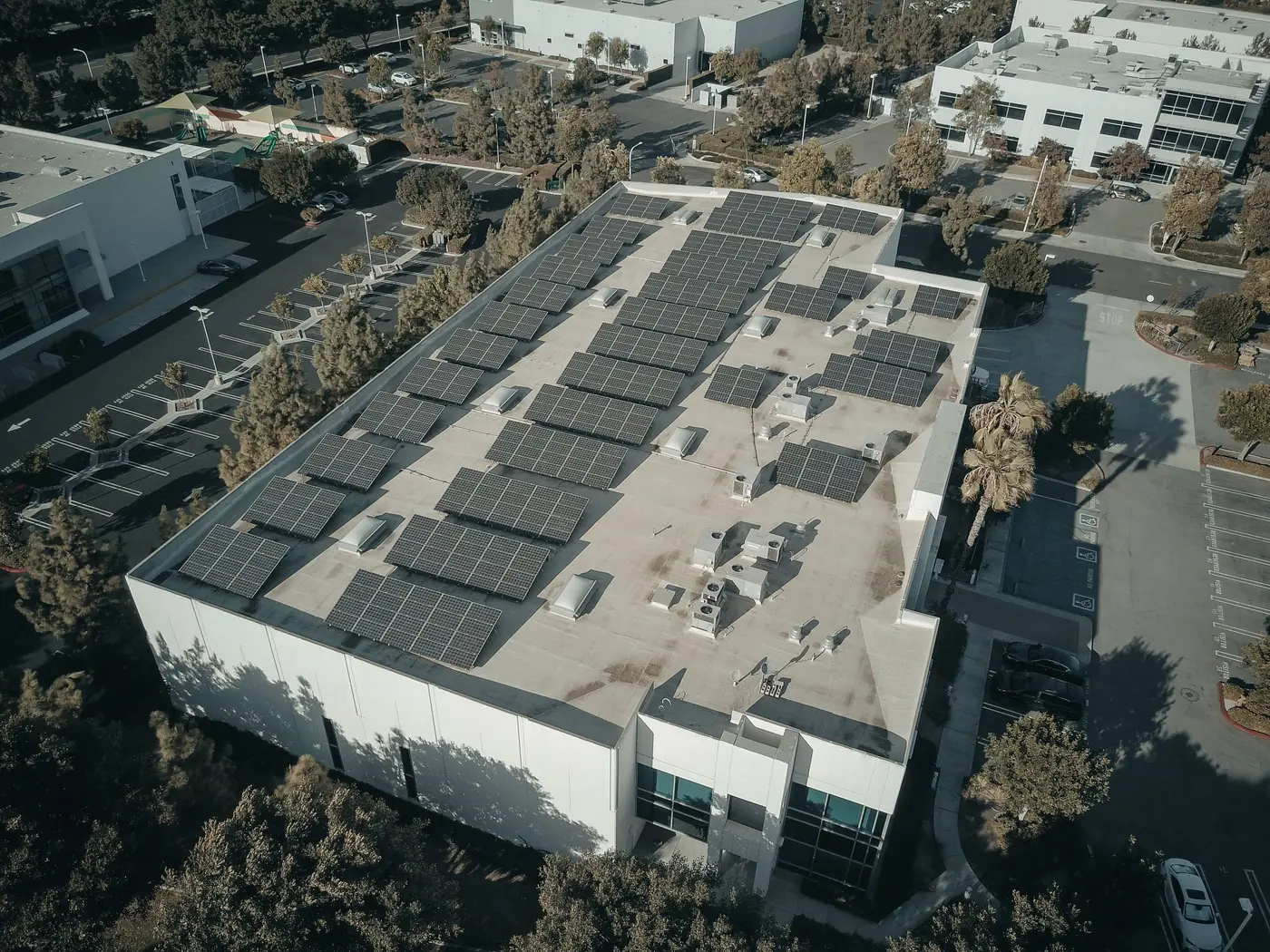
Utilities and power-sector institutions
Utilities will carry the most visible implementation burden. Additional variable generation requires better forecasting, transmission and distribution planning, interconnection processes, metering, protection coordination, and storage strategy. The 2026–2029 plan also connects renewable expansion to broader system priorities: reducing distribution losses, improving reliability, expanding advanced metering, and completing planned preventive maintenance.
For utilities, the central question is therefore not simply how much renewable capacity is connected. It is whether the network can absorb it safely, measure it accurately, maintain it consistently, and translate investment into dependable service.
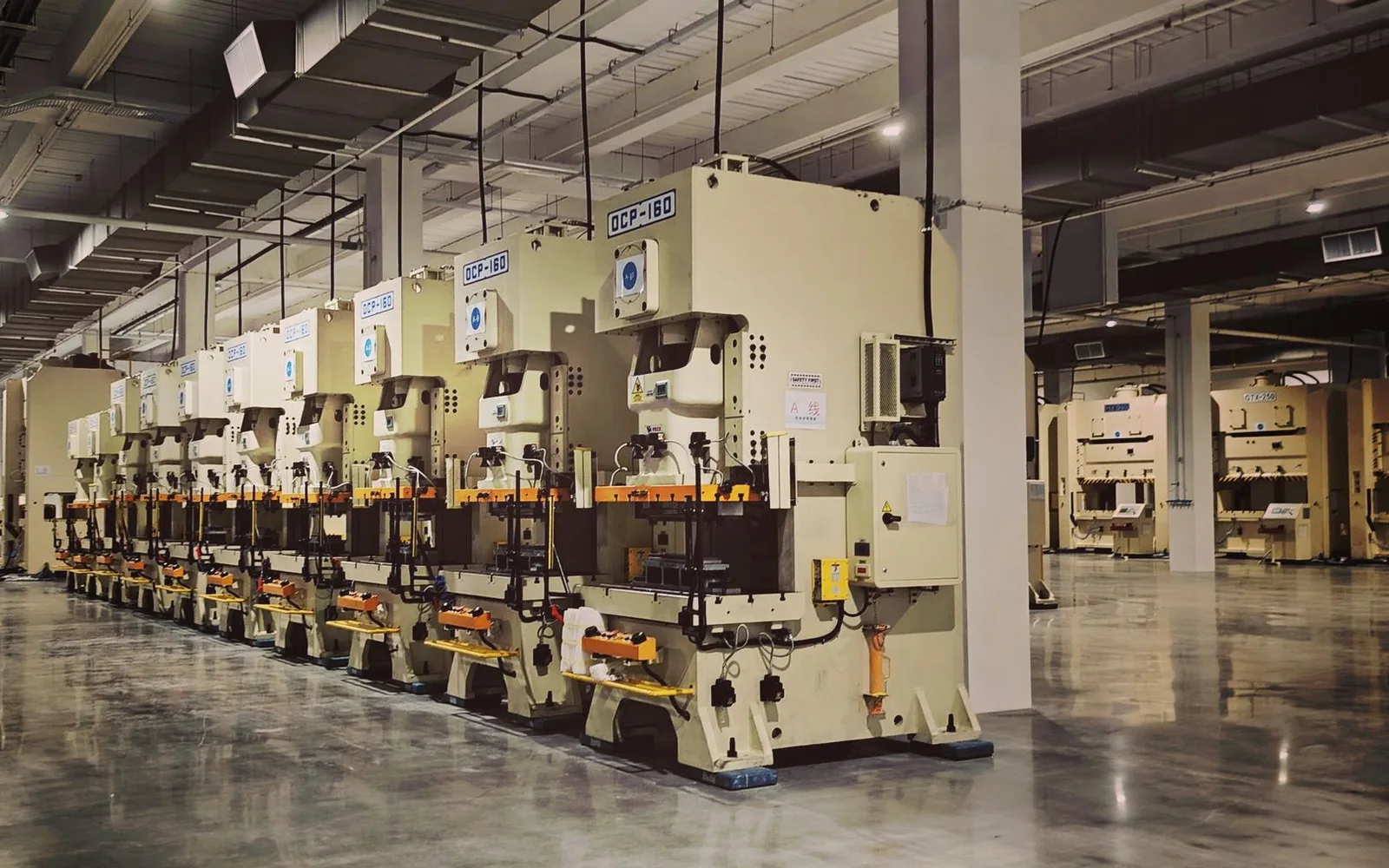
Manufacturing, mining, oil and gas, and other energy-intensive industry
Industrial operators gain more options, but also more analytical work. Rooftop or ground-mounted solar, storage, renewable supply contracts, waste-to-energy, and efficiency projects should be compared against production schedules, demand charges, backup-power cost, power quality, process reliability, and shutdown risk.
The strongest projects will be built on interval data, a defined energy baseline, verified operating constraints, and a lifecycle model that includes maintenance, replacement, and production consequences. Renewable capacity that is poorly integrated with the plant can shift cost or risk rather than remove it.
Commercial property, retail, hospitality, and data centres
For commercial portfolios, the plan raises practical questions about roof readiness, tenant and landlord incentives, peak demand, cooling loads, resilience, and portfolio-wide standards. A hotel, shopping centre, bank branch, office, warehouse, or data centre cannot evaluate solar in isolation from HVAC performance, generator dependence, critical loads, operating hours, and future electrical demand.
Owners should start with comparable site data, identify facilities with the strongest load match, and establish a repeatable technical and commercial screen. This helps prevent a portfolio from becoming a collection of unrelated projects with inconsistent warranties, monitoring, maintenance, and performance expectations.
Healthcare, education, government, and other public institutions
Hospitals, schools, universities, laboratories, and government facilities need renewable energy to support service continuity, not only emissions targets. Critical-load definitions, battery autonomy, transfer arrangements, maintenance responsibility, spare parts, staff training, and emergency procedures are essential to the value of each installation.
The sector plan's emphasis on operating and maintenance funding for public renewable systems is especially important. Capital procurement without a funded maintenance path can leave good equipment unavailable long before the end of its intended life.
Agriculture, water, food processing, and cold chain
The 2026–2029 plan explicitly identifies renewable energy for irrigation. The same planning logic reaches water pumping, boreholes, treatment systems, cold rooms, processing, and storage. These applications can improve access and reduce diesel dependence, but their economics depend on flow, head, duty cycle, crop or production schedules, storage capacity, equipment efficiency, and the consequence of interrupted service.
The opportunity is strongest when energy planning and productive-use planning happen together. Oversizing generation without understanding the load wastes capital; undersizing storage or pumping capacity can undermine the operating purpose of the project.
Transport, logistics, ports, and petroleum distribution
Transport and logistics organizations should expect energy demand to move into depots, warehouses, stations, ports, and fleet-charging locations. Site electrical capacity, charging schedules, solar canopies, storage, backup power, fuel-transition strategy, and fire safety will become connected planning questions. Petroleum and fuel-distribution businesses also need to evaluate how biofuels, electrification, and changing demand patterns affect existing assets and future investment.
Banks, investors, insurers, and development partners
More renewable projects mean greater demand for credible due diligence. Financiers and insurers will need consistent information on load, technology, contractor capability, warranties, maintenance, degradation, curtailment, revenue assumptions, climate exposure, and end-of-life obligations. Projects supported only by optimistic production estimates will remain difficult to finance or insure.
Better resource mapping and stronger product standards can improve confidence, but each project will still require an auditable baseline and clear allocation of design, performance, operating, and maintenance risk.
Construction, engineering, and local supply chains
Designers, contractors, commissioning teams, equipment suppliers, and maintenance firms will see growing demand for renewable-ready buildings and verifiable delivery. Roof loading, cable routes, electrical rooms, protection systems, controls, monitoring, access, drainage, fire separation, and future expansion should be considered before installation begins.
The plan's focus on local participation, technician certification, and product standards creates an important market signal. Capability will need to grow not only in installation, but also in design review, commissioning, monitoring, fault diagnosis, warranty administration, and long-term maintenance.
Communities, SMEs, and off-grid services
Mini-grids and stand-alone systems can expand access and support productive uses, but technical installation alone is not enough. Community demand, tariff affordability, revenue collection, local operation, spare parts, governance, and productive-load growth determine whether systems remain viable. The planned 1,000-community reach should therefore be treated as an operating-model challenge as much as an infrastructure programme.
What every organization should do now
- Establish a defensible energy baseline using bills, demand, fuel, operating hours, production, and major equipment records.
- Define critical loads and the service consequences of an interruption before selecting solar or battery capacity.
- Screen projects across three horizons: immediate efficiency and maintenance, near-term renewable integration, and long-term capital renewal.
- Compare total lifecycle cost, not only installation price or simple payback.
- Set minimum requirements for monitoring, commissioning, warranties, maintenance, training, and performance verification.
- Keep a decision record showing the data source, assumptions, exclusions, owner, next gate, and evidence required.
The strategic takeaway
Ghana's renewable-energy direction creates opportunity in every sector, but the benefit will not come from equipment counts alone. The organizations that move well will connect policy to operating data, asset condition, service continuity, maintenance capability, and disciplined capital planning. That is how renewable ambition becomes reliable infrastructure and measurable economic value.
This field note is an Apex interpretation of the cited public sources for planning discussion. It is not legal advice, a regulatory determination, an engineering design, or a guarantee of policy outcomes.